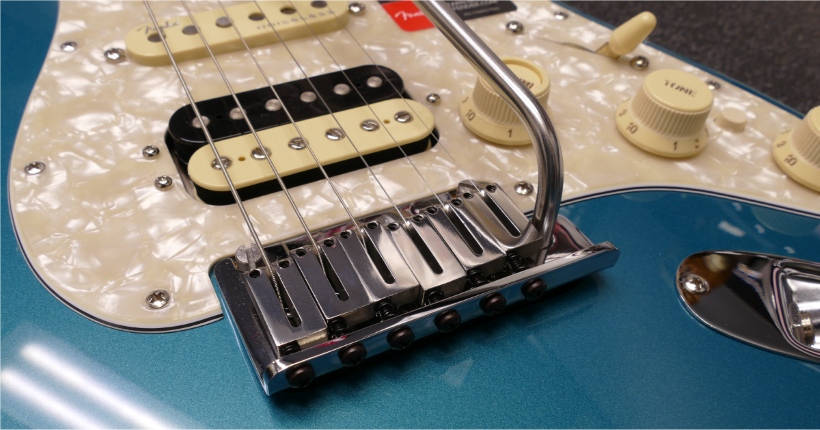
The classic vintage Fender tremolo uses a six-screw attachment to the body. While beloved for its specific feel and tone, it has more friction points and is less stable for extreme use compared to the G&L design. This design is pratical but not advanced.
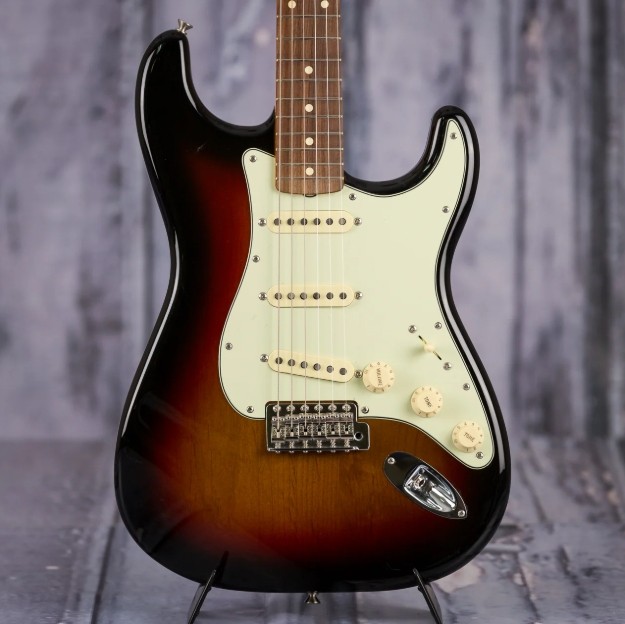
Traditional Fender pickups (like those found in vintage and most modern Strats and Teles) typically use Alnico magnets (rods or bar) and fixed pole pieces. They are known for a lower, more classic output and a specific, traditional sound that many iconic guitarists have defined music with.
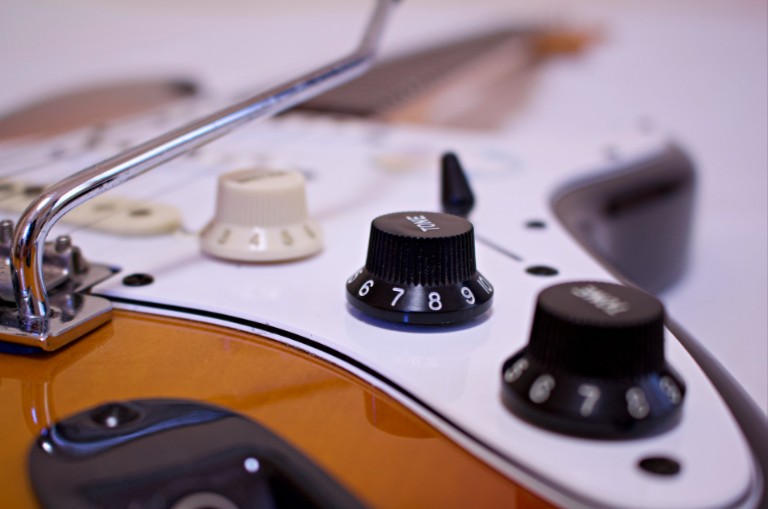
Standard Fender tone systems typically use a master volume and one or two passive treble-cut (low-pass filter) tone controls. This system is effective for traditional sounds but offers less versatility than the PTB system. A practical but not versitale option.
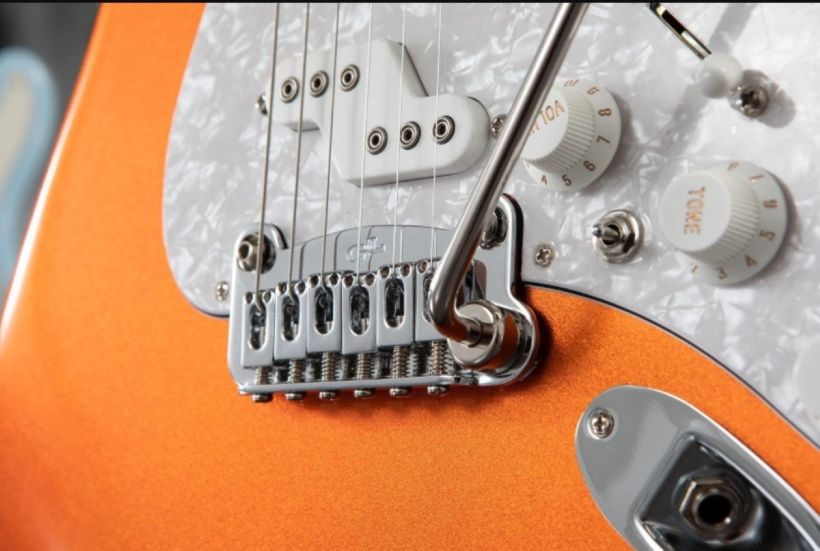
A two-pivot-point system (using hardened steel knife-edge bolts in brass inserts) that provides a smoother, "silky" feel, excellent tuning stability, and allows players to bend notes up or down. This design minimizes friction points compared to older systems.
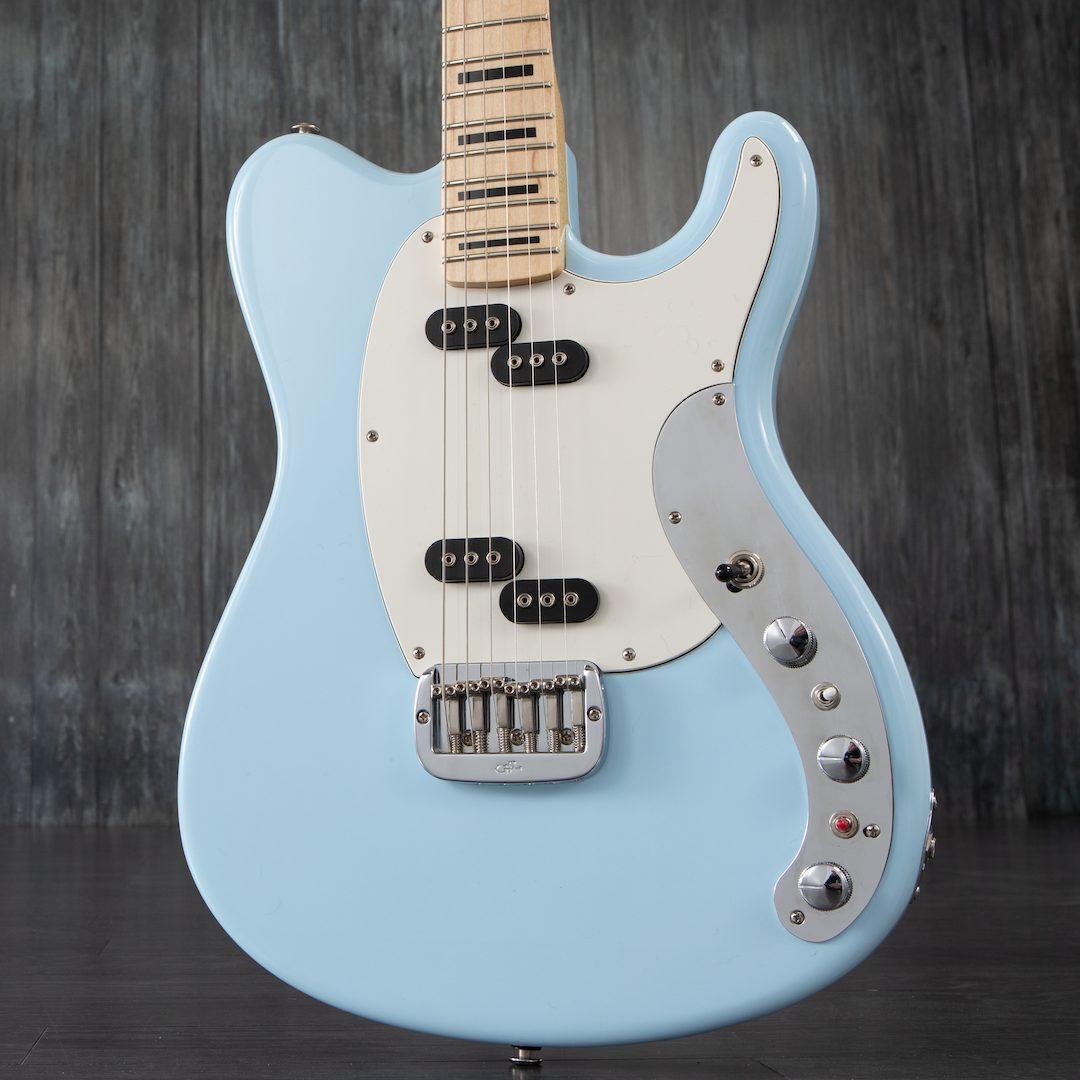
Use ceramic bar magnets and adjustable iron pole pieces for higher output, a broader frequency range (punchier lows, brighter highs), and the ability to adjust the volume of individual strings. Reviewers often describe them as having more "bite" and a sound like a "twangy P-90".
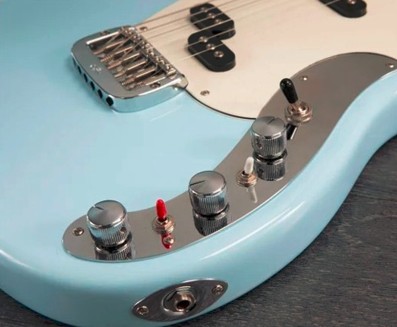
(Passive Treble & Bass) Uses a separate treble cut and bass cut control, providing a wider range of passive EQ sculpting, allowing players to dial in a broader array of tones (e.g., more mid-range focused sounds, or faux-humbucker tones).