Film Photography
By Jacey Wilson
Modern Interest in Film Photography
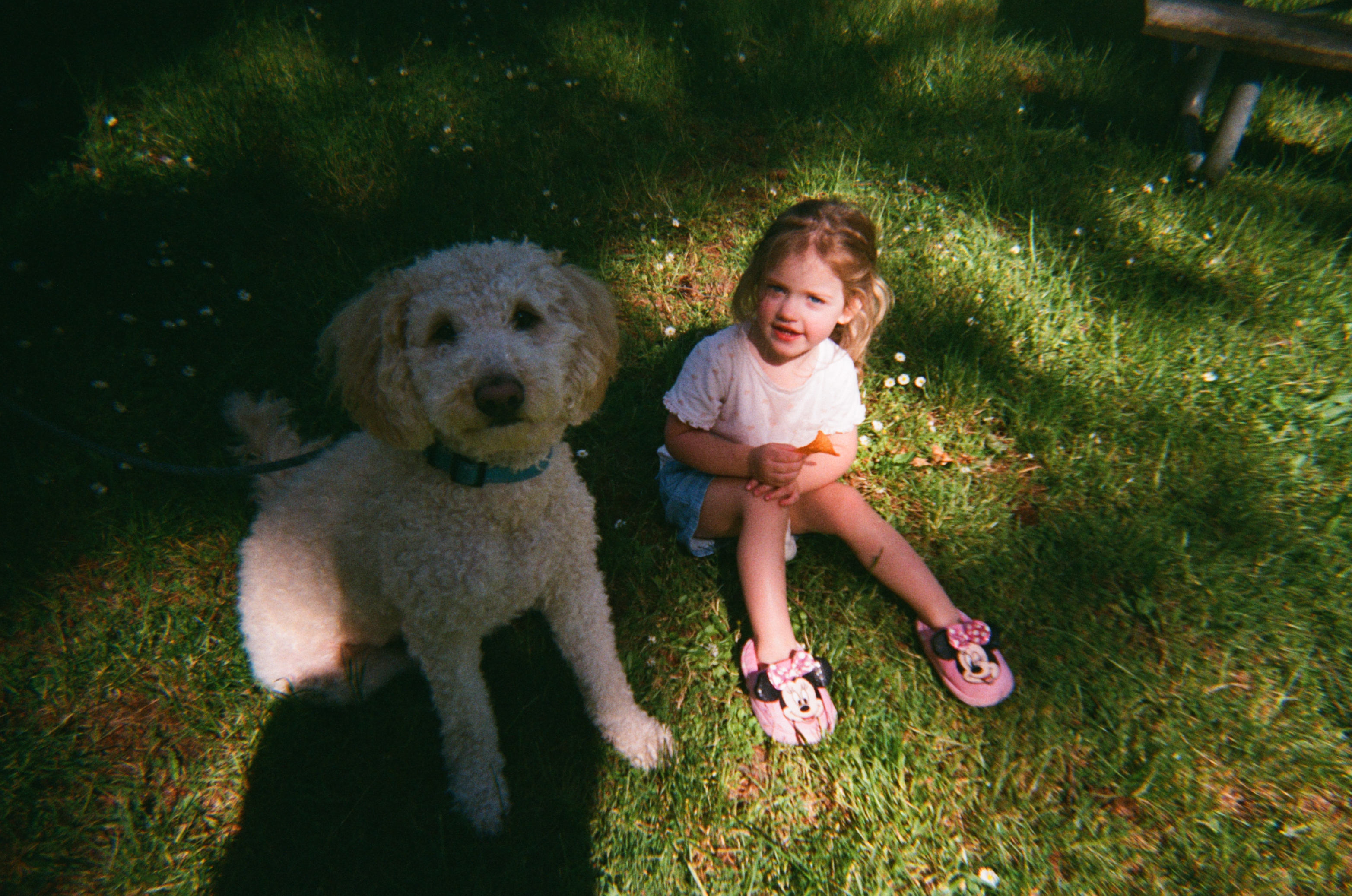
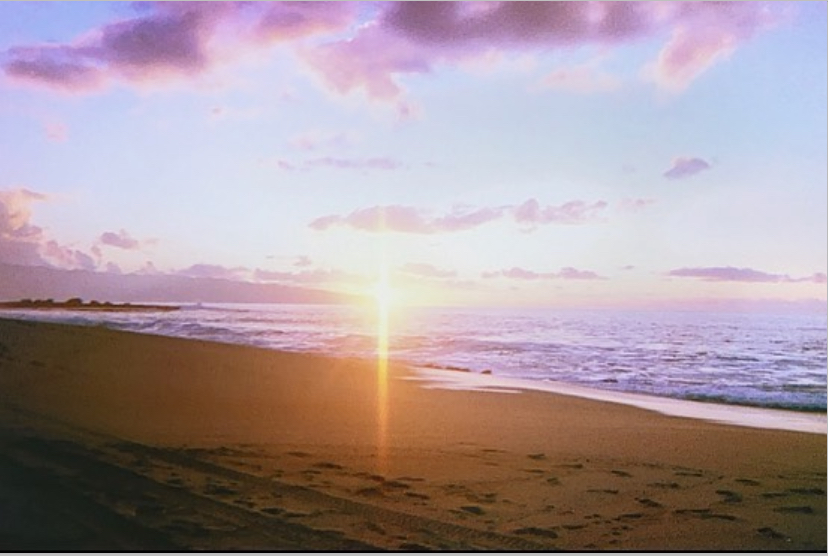
Film has experienced a revival in recent years. The modern interest in film photography can potentially be credited to many different things. Personally, I believe many people feel that film offers an opportunity for connection with reality. Photography in any form offers people an ability to document their lives and memories, which is known to improve general gratitude and appreciation. Film specifically includes depth, delay of gratification, and a connection to self, reality, and life which many may feel is missing from their modern lives. It seems to be popular in wedding photography for similar reasons. For young people, an interest in our parents' and grandparents' method of photography and documentation may also be a root cause for this interest.
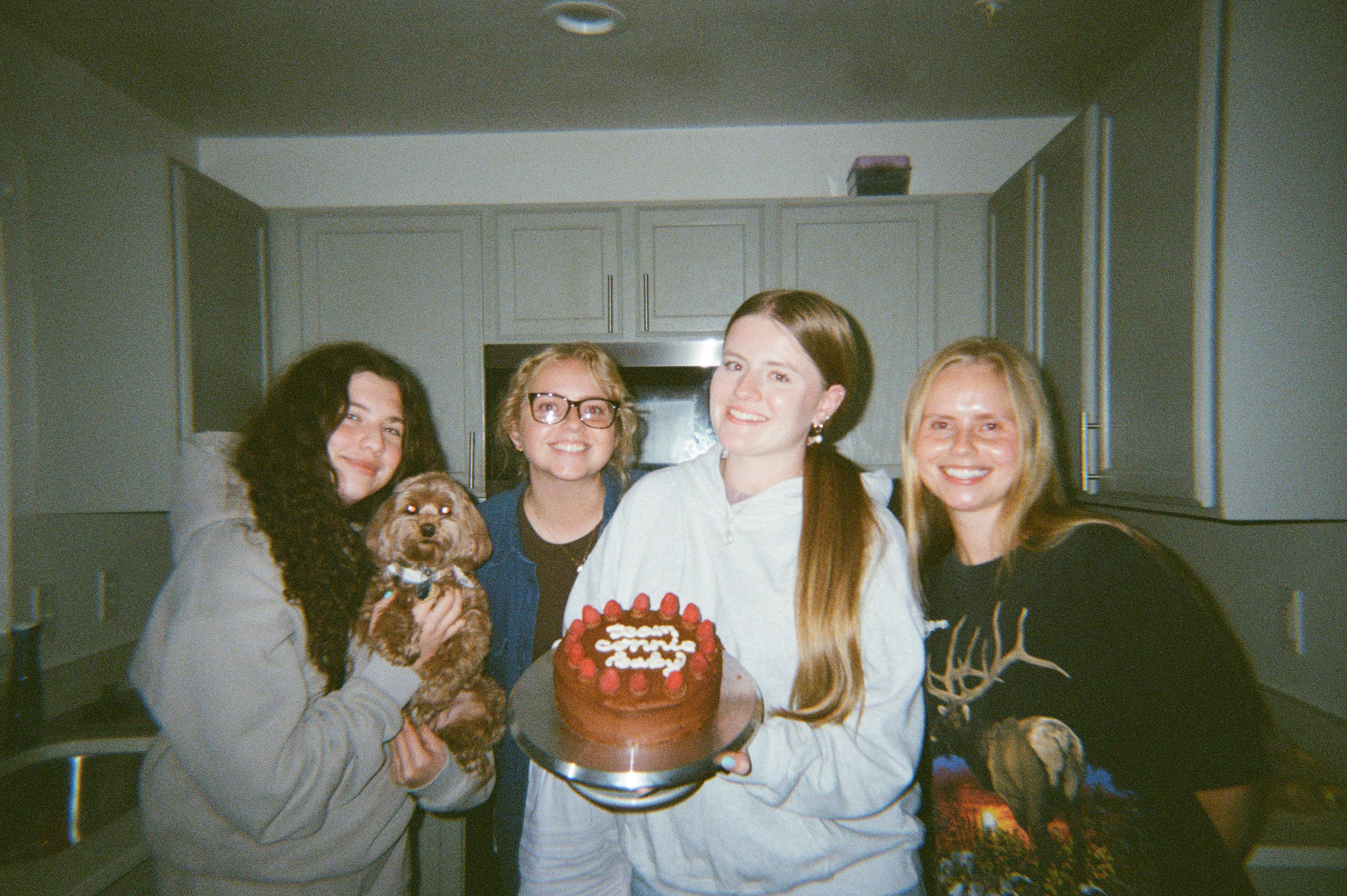
Along with film, there seems to be a notable increase in interest in other forms of photography which were similarly popular in times past. Small digital cameras are commonly used again to achieve a similar vibe after about a decade break from popularity. Instant film cameras like Polaroids have also remained popular. Cell phone camera and DSLR pictures exist as a more rapid, quickly accessible, and crisp form of modern photography. Film offers a connection to the past and to reality that may not be offered by rapid, casual, constant iPhone photos. There is absolutely nothing wrong with digital photos taken on cell phone cameras. These pictures function well and allow people to have access to a camera at nearly all times. Modern interest in film photography, however, is understandable when considering the lack of depth, feeling, and experiences of delayed gratification in the modern world which many may crave.
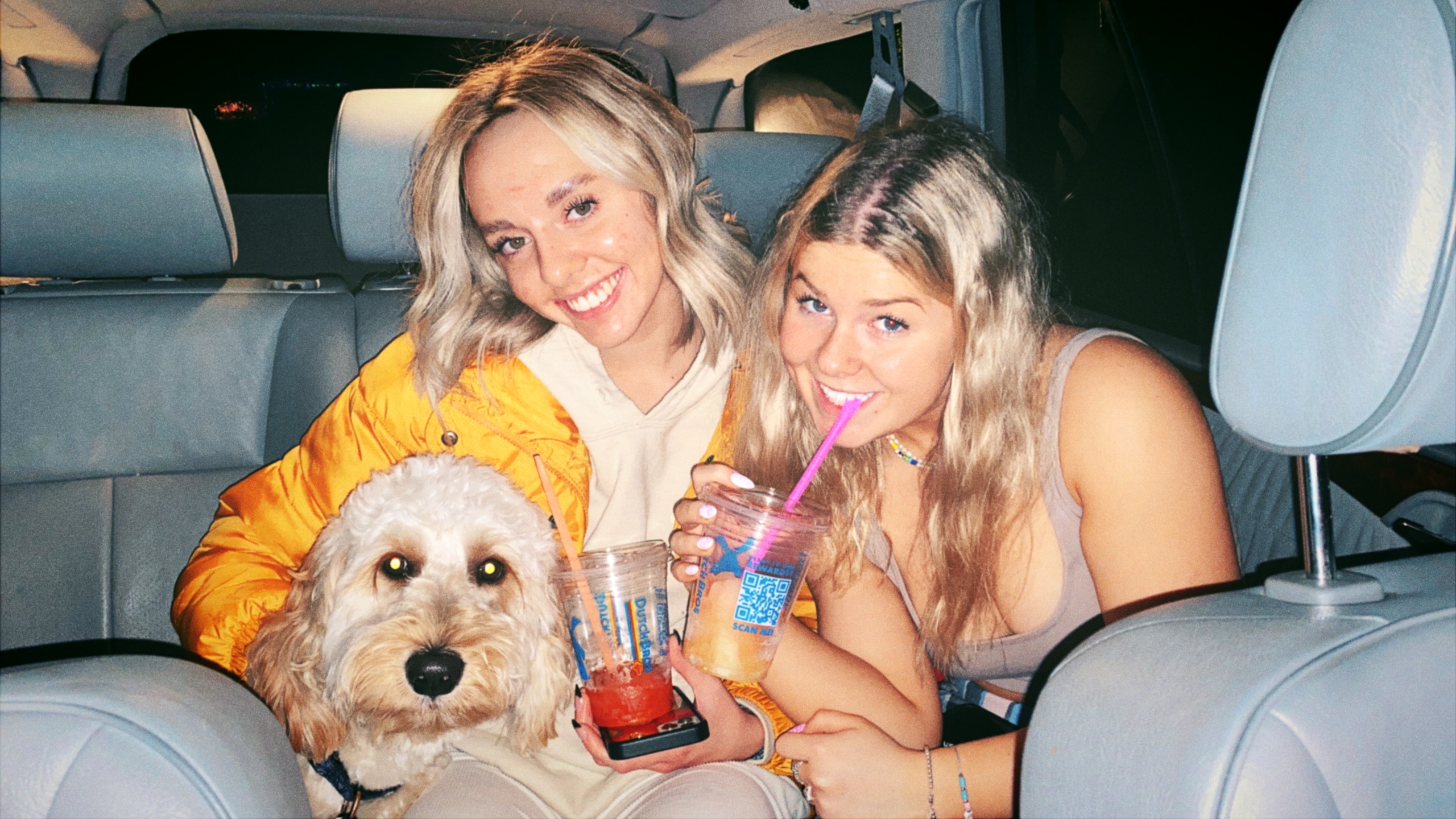
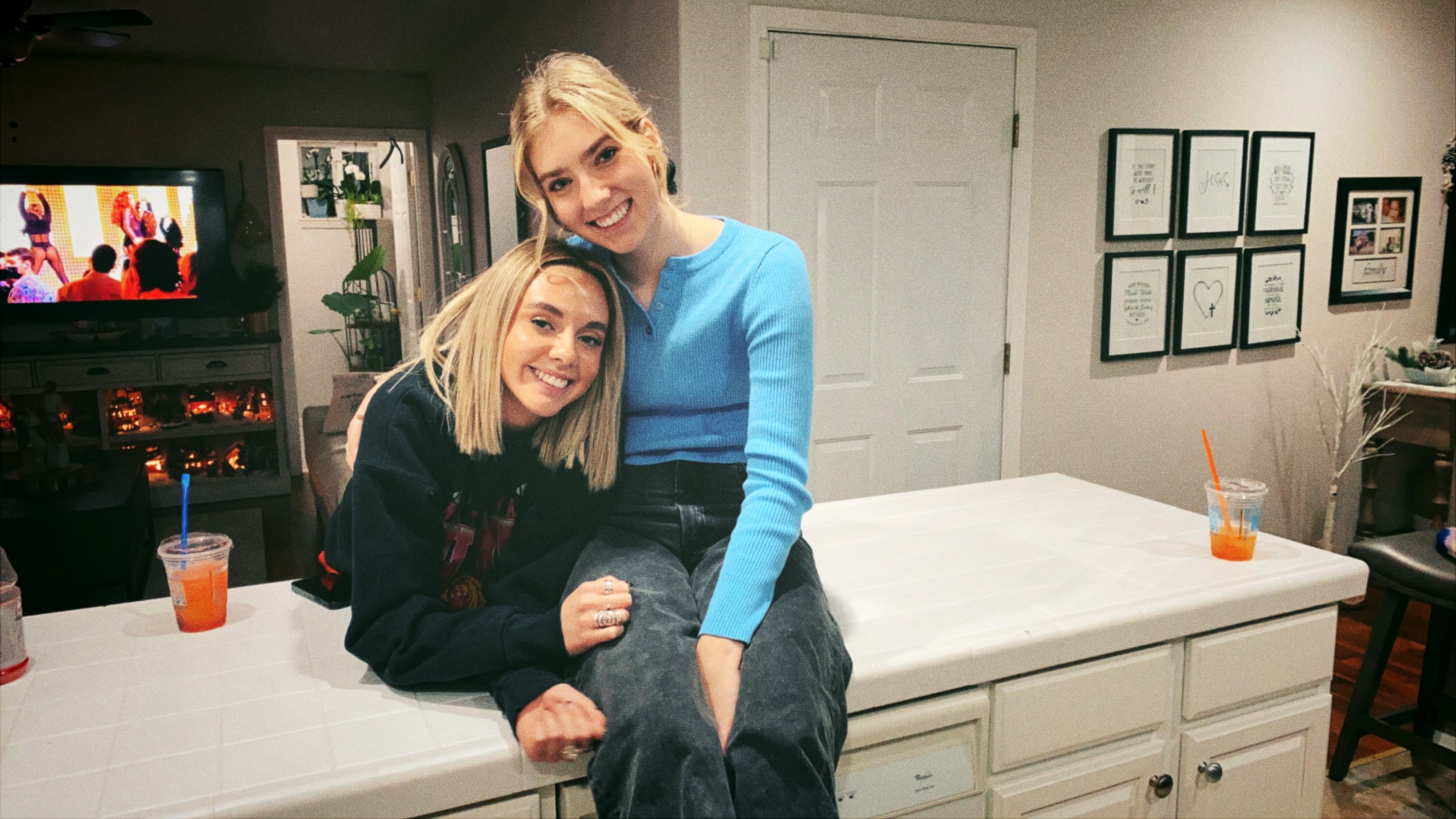
An interesting film-adjacent iPhone development in late 2019 was the launch of David's Disposable (now called Dispo) by YouTuber David Dobrik. This app offered users an opportunity to take photos with a film look without risking real film. The two photos above were taken in late 2020 using the Dispo app. This was a cheaper alternative for people interested in film but not yet ready or able to buy a film camera. There are many reasons why this app piqued people's interest and did well, but the element of waiting included in the app's design is an extremely unique aspect of its interface. The app requires users to wait until the next day at 9AM, minorly replicating the wait period involved in film development. There are many ideas about why this app, among film photography generally, has been so popular for Gen Z and the general public in recent years.
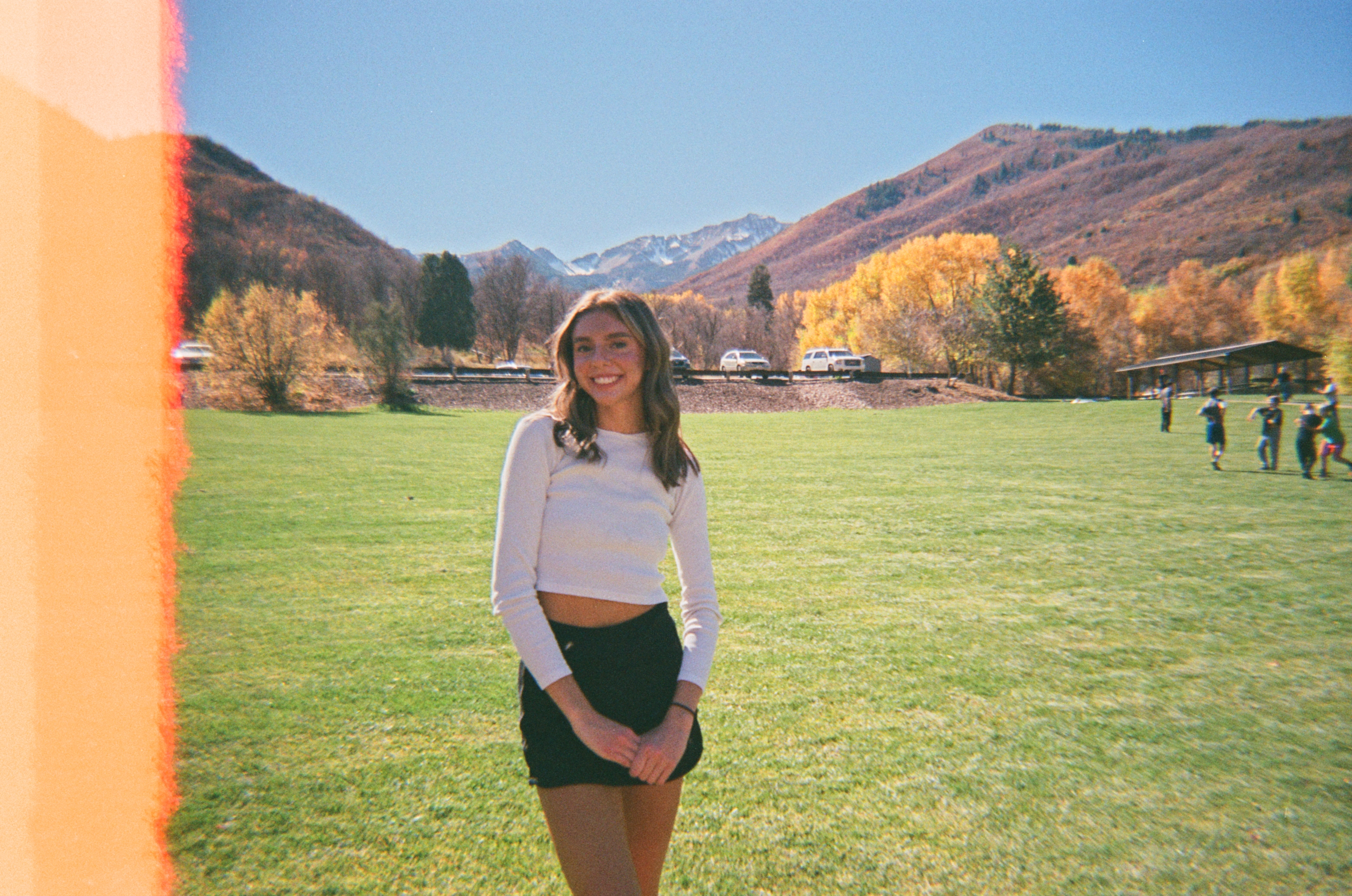
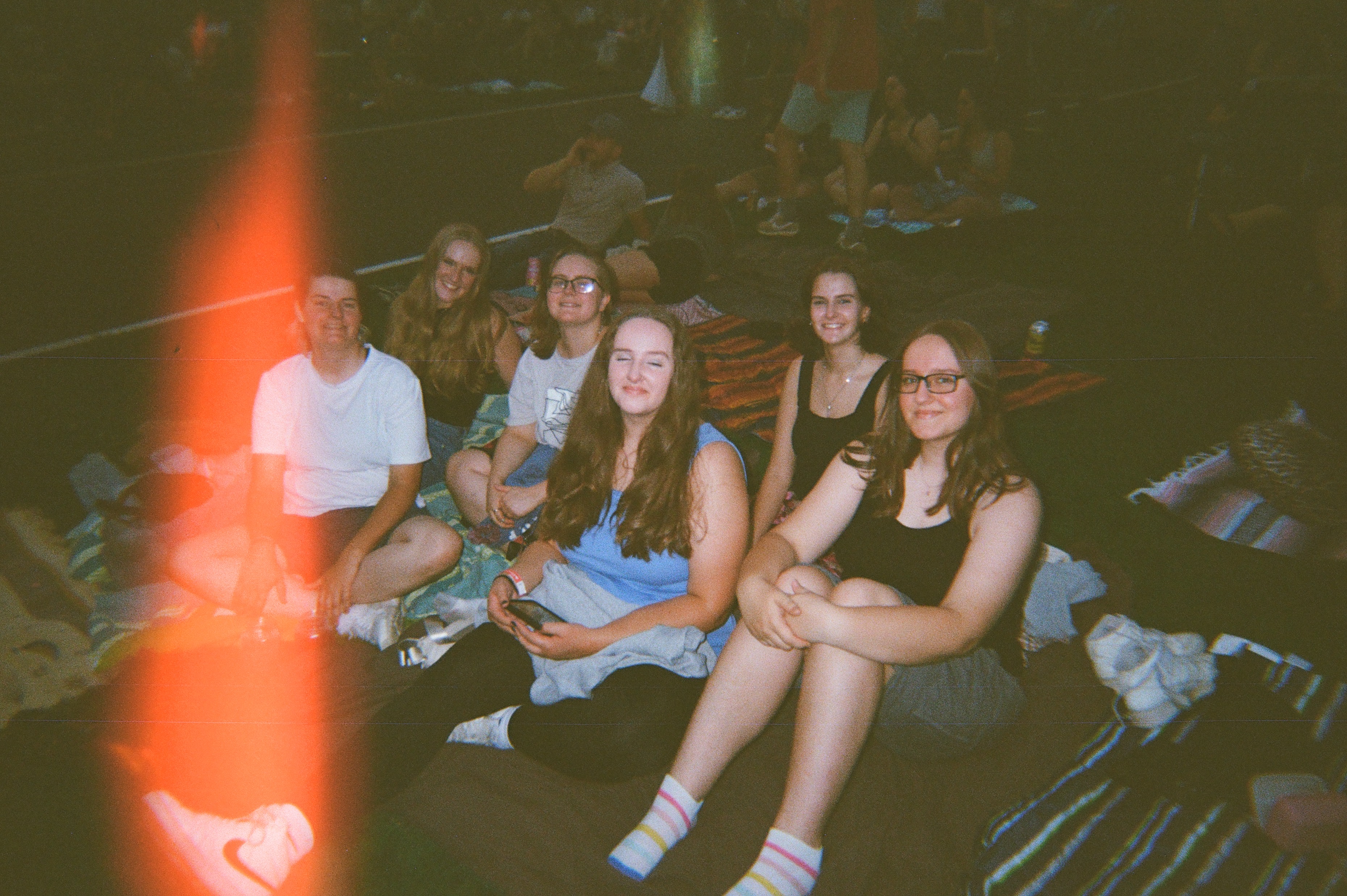
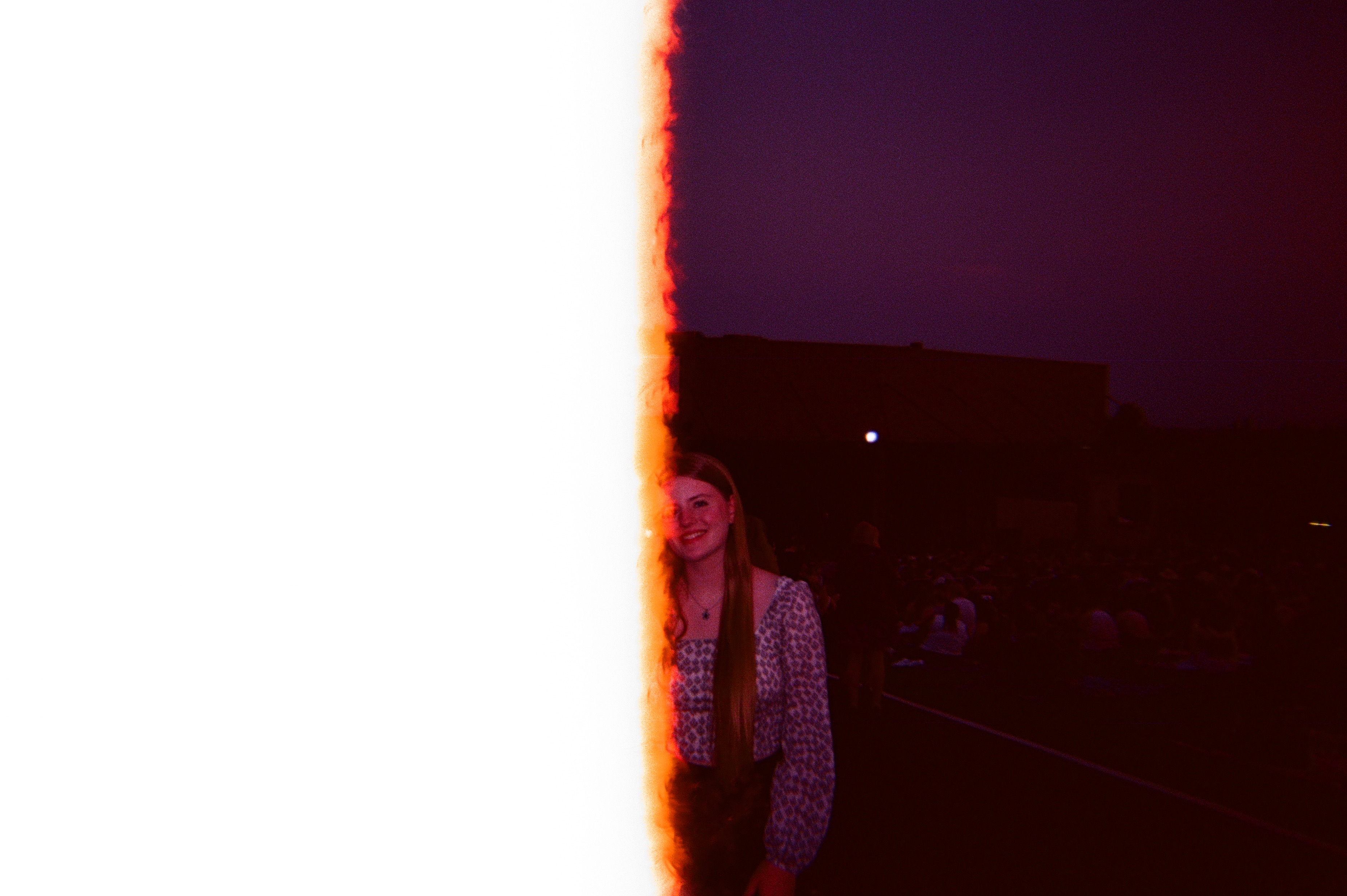
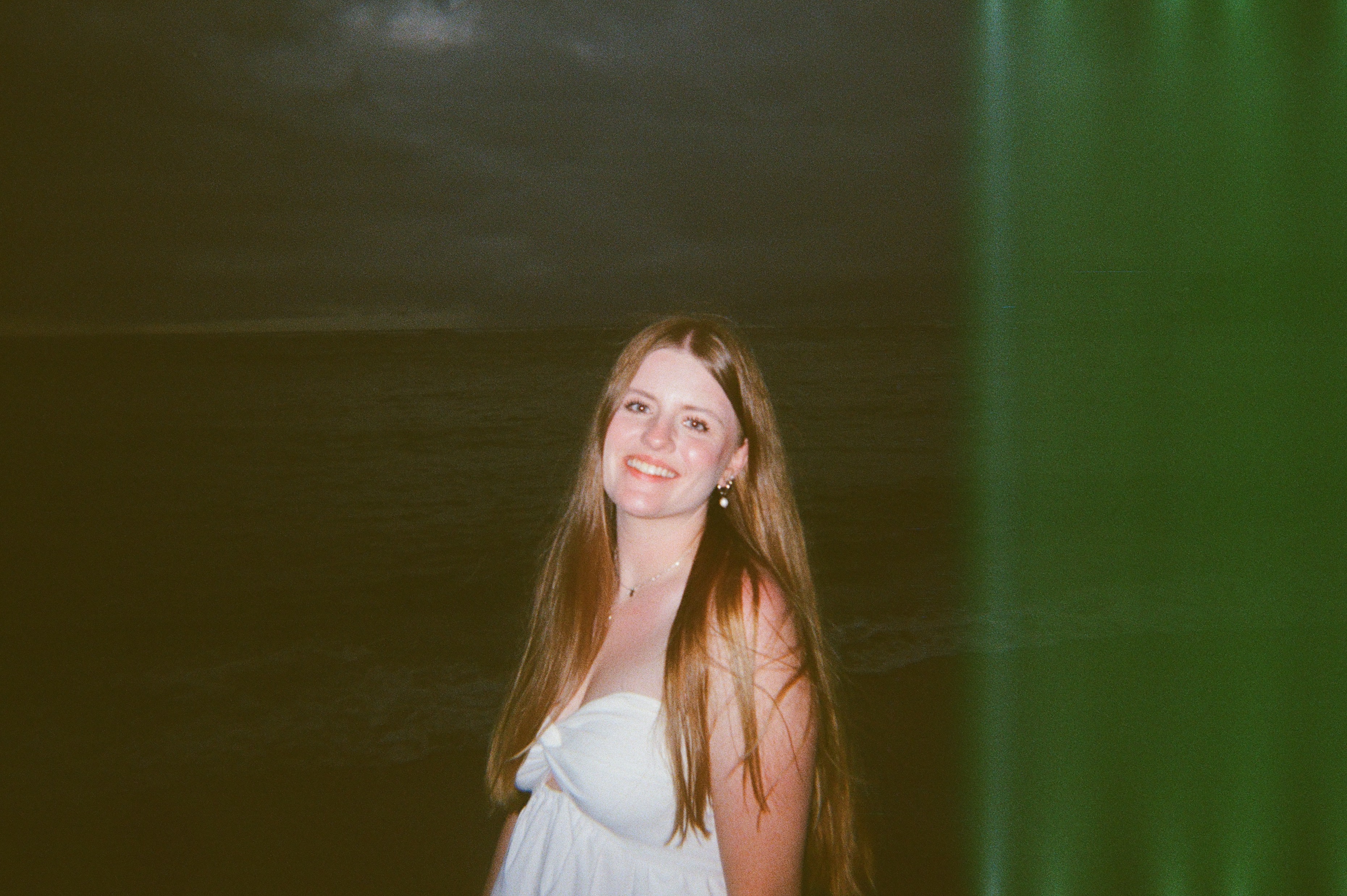
Dispo had other features which were used in an attempt to replicate real film photography. One of these was light leaks. Light leaks happen in real film photography for a number of reasons, but are exactly what they sound like. When light leaks onto the film, which should always be kept dark, it can result in part of the strip having a differently colored streak. The four photos above are real 35mm film photos featuring light leaks and film stretching. Dispo replicated even this generally-less-desirable feature of film, making it an exciting variable in how your photos could turn out that next morning.
Other modern elements such as zoom (unavailable on standard point-and-shoot cameras) and video recording capabilities are live on Dispo as well. There is also an option to switch between different camera types, these being created app-exclusive cameras.
As film photography has grown in popularity, most users can agree in their appreciation of the "real" feeling, delayed gratification, and depth of color and intention.