In Magic, some cards are better than others. Here, I want to break down some of the most well known cards and share some of the most important stories about them.
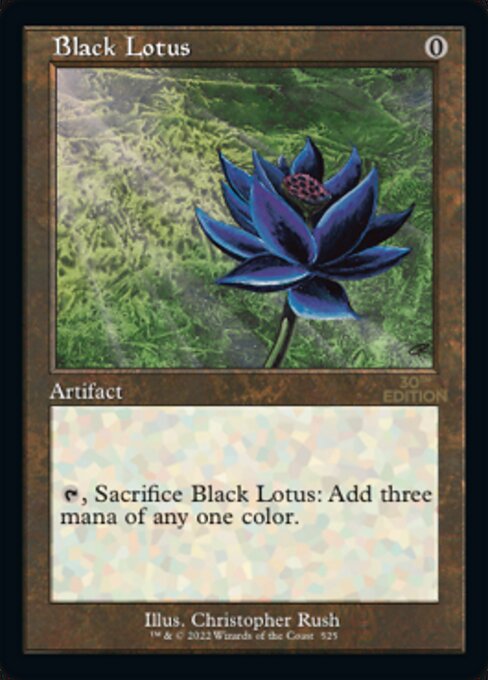
The game's most iconic card, Black Lotus is an incredibly useful card as well. Each turn in Magic, you play one land which taps for one mana. To play an artifact that gives you a burst of three mana in one turn lets you play three turns ahead for a single turn, making it difficult to match by any other card.
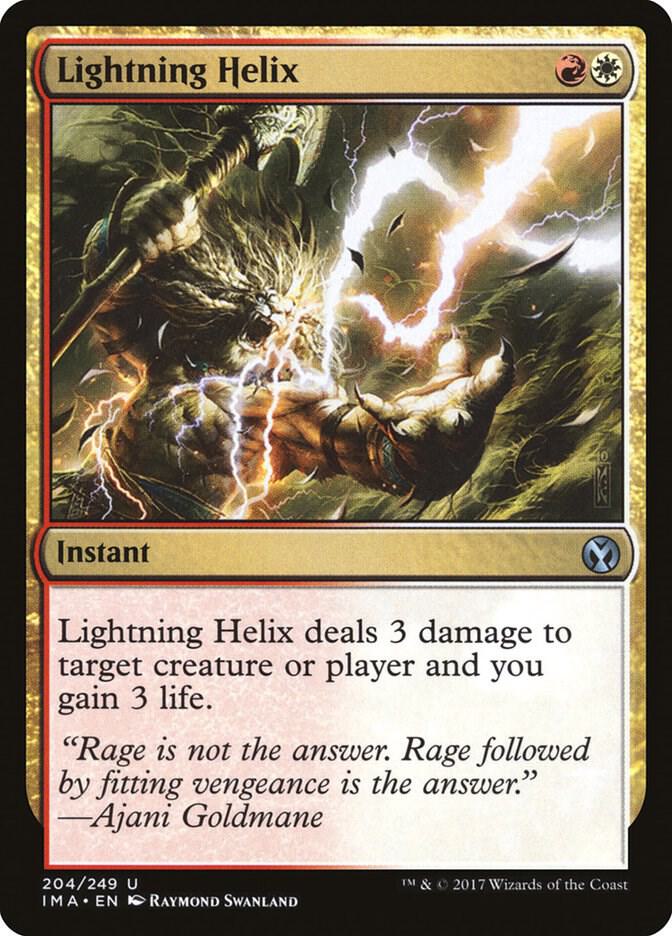
"Oh my God it's Lightning Helix" could be heard across the world as the pro tour (like Magic's World Cup) was ended on a random draw. The opponent at three life, the player drew and slammed their only way to win the game.
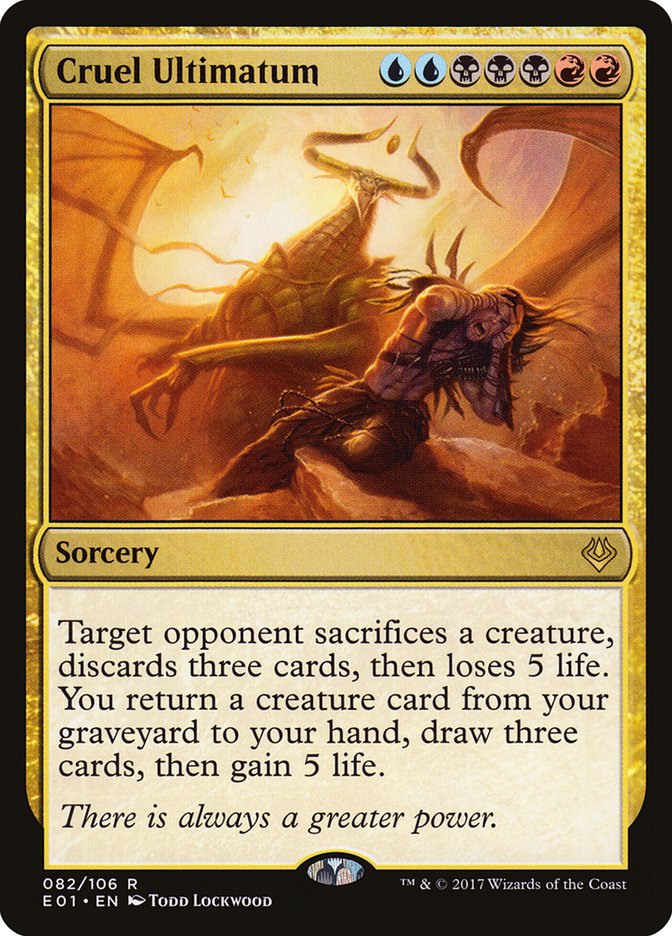
Similar to Lightning Helix, Cruel Ultimatum won a game via random topdeck, and was the only way out. The difference was Gabriel Nassif who arranged his lands before drawing, manifesting the card to the top of the deck for the win.
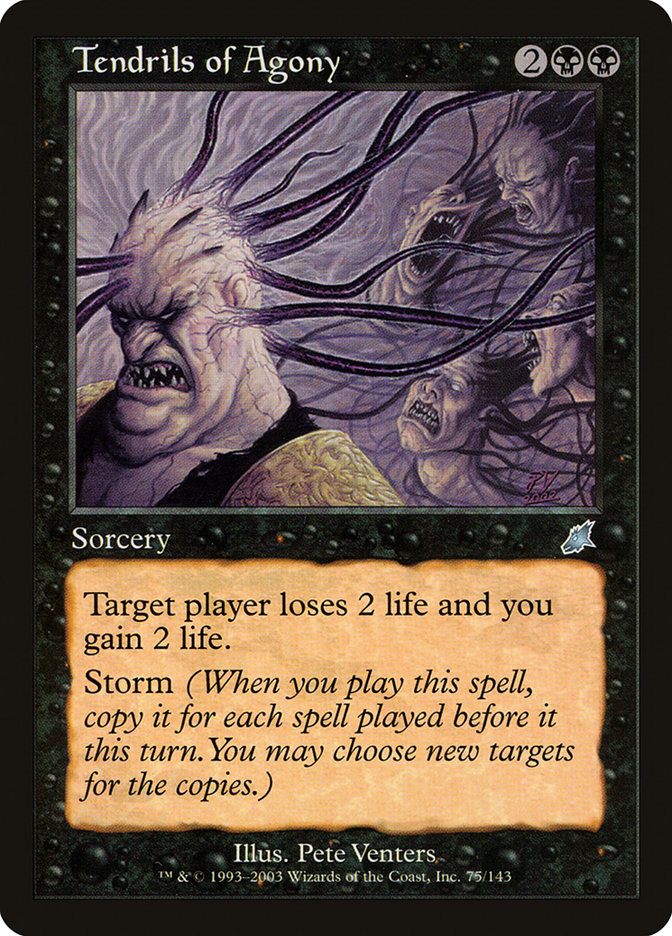
Storm is a mechanic in Magic that lets you cast copies of a spell equal to the number of spells cast before it. Tendrils of Agony is often the only win condition in the deck, but what do you do if you can only cast eight spells before it? Make your opponent cast one. Storm only cares about total spells, not where they came from.
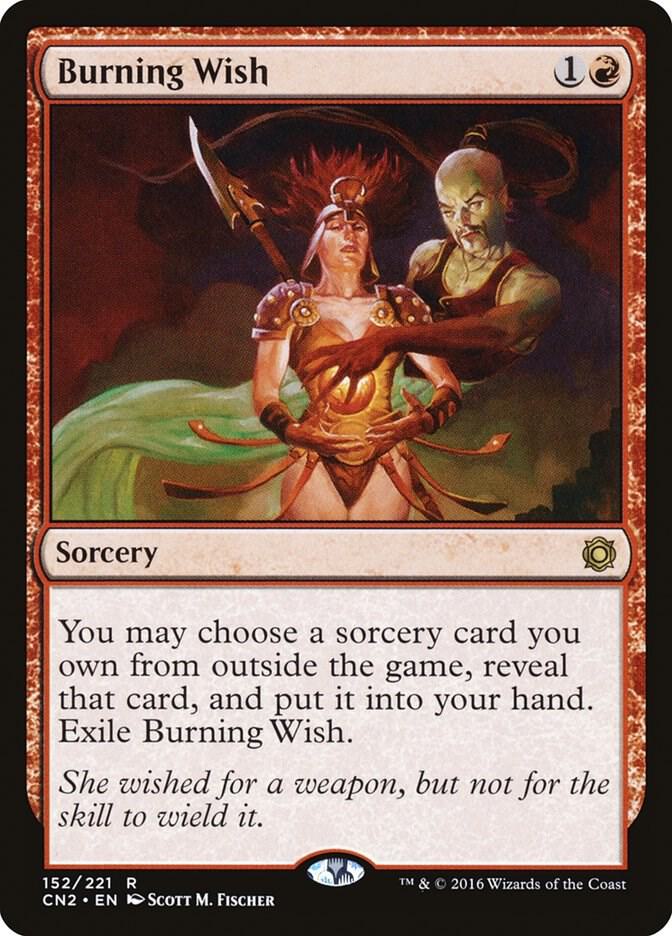
Usually, your Tendrils of Agony are in your sideboard, a place where up to fifteen extra cards go. This place outside of the game can be accessed by these "wish" cards. So what if you forget to put a Storm card into your sideboard? bluff! LSV won a whole tournament by letting his opponents concede before he had to show them the tendrils.
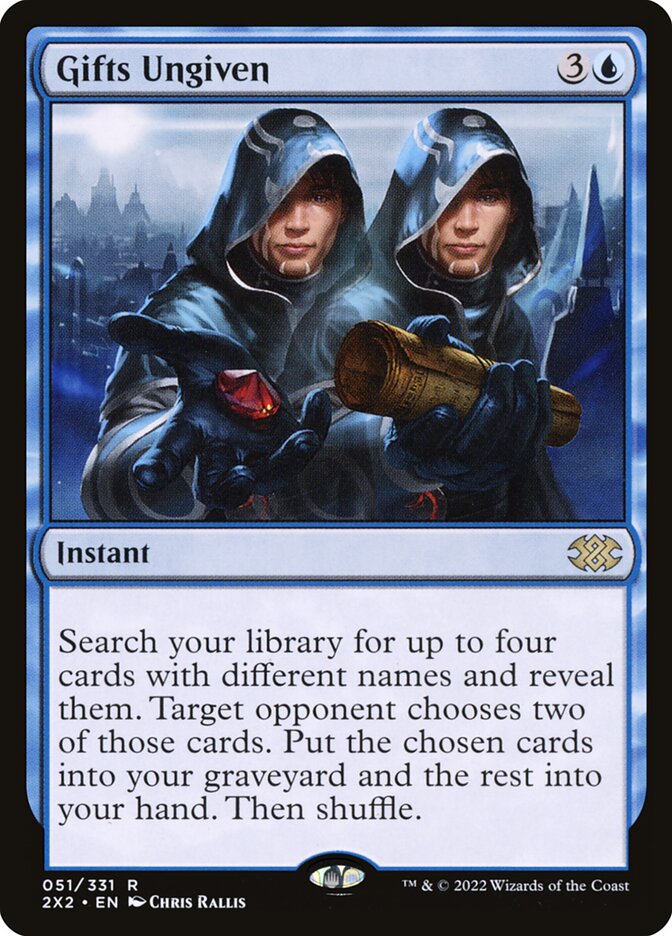
In Magic, there is a rule for known information and hidden information. Your library, is considered hidden information, so your opponent doesn't know what you have in there. This is helpful as it lets you search your library freely. However, there is a term called "fail to find" where a player while searching their library can choose not to find anything in their library that meets the conditions of the card. For Gifts Ungiven, you find two cards, fail to find two others with different names, and put both cards into the graveyard.
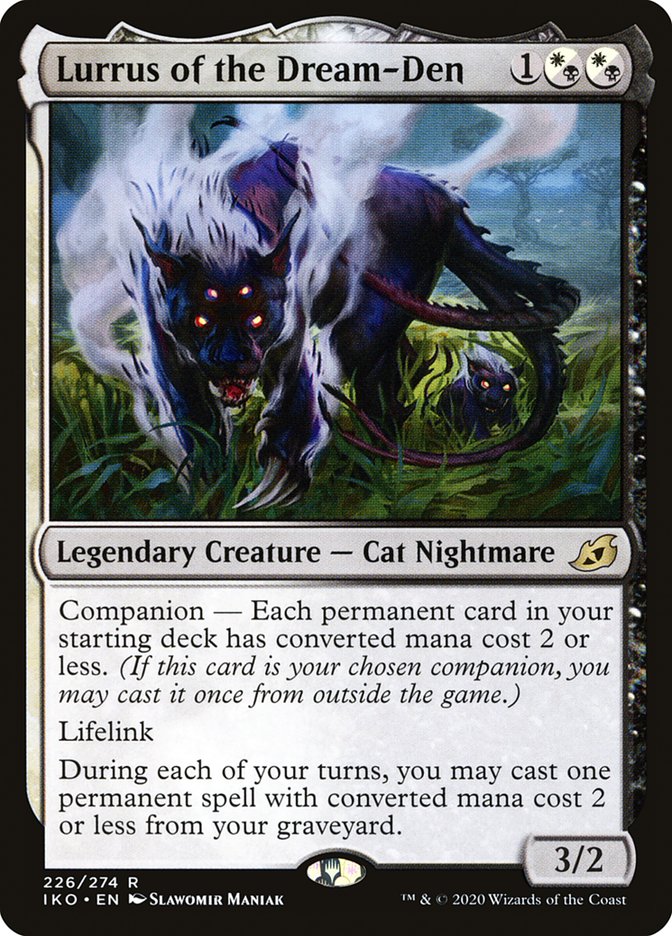
Moving onto design mistakes, Lurrus is a powerful card for two reasons. One, any low mana deck can play lurrus. Companion means you play him in your sideboard as long as his companion condition is met. Once you pay three mana to put him into your hand, you can cast lurrus and replay your cheap spells from your graveyard. The problem is Black Lotus is a cheap spell. Two lotus in one turn can win almost any game.
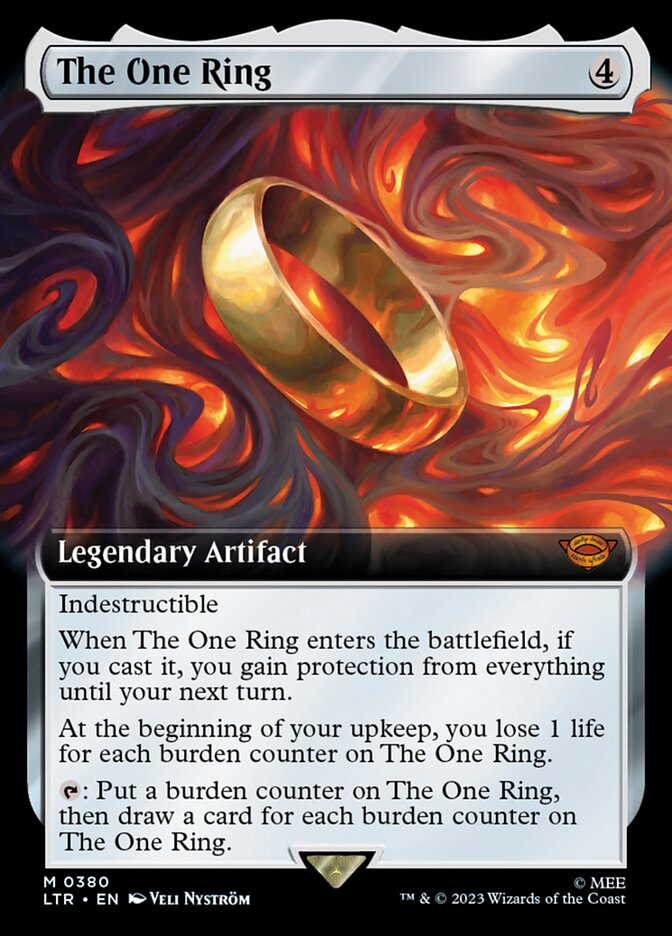
The One Ring doesn't look overly powerful, but if you read it again, it's too powerful. It's colorless, so it goes in any deck. Then you draw one card and are protected for a full turn cycle. Then you untap, lose one life, and draw two more cards. The same effect (an extra turn and three cards) are Time Walk and Ancestral Recall, two cards that are notorious for being too powerful, and easily abusable. If the burden counters get too high, cast another The One Ring, and because of something called the legend rule, you have to sacrficie one of them, so you choose the one that won't hurt you, and you get the free turn and three extra cards all over again.
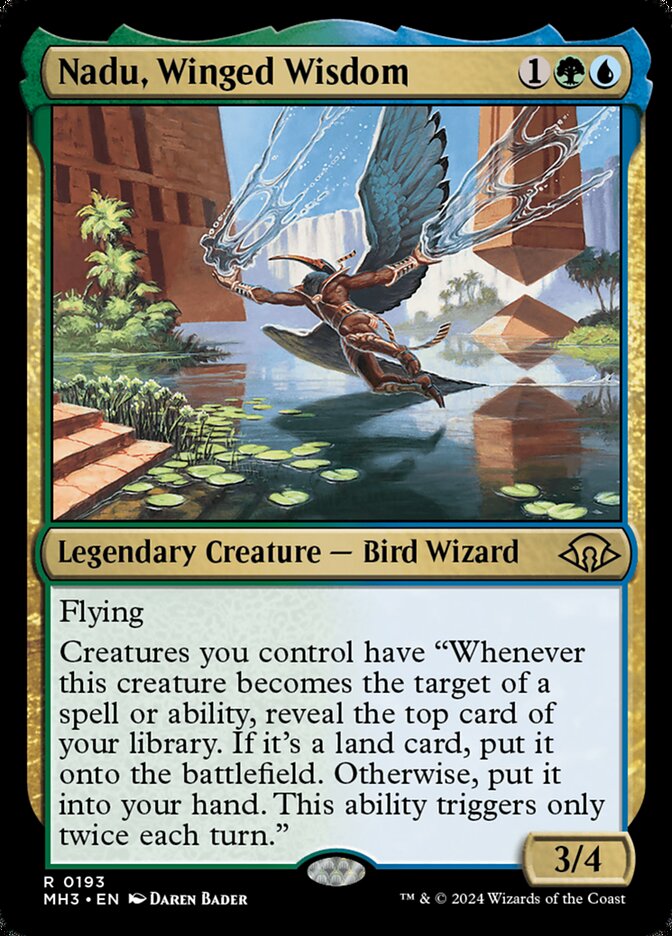
Speaking of broken designs, this most recent problem also seems innocent. Three mana for a 3/4 flyer is ok unti lyou read his textbox. For each creature, whenever they are targeted, they trigger you to either ramp or draw a card. If you have a card that makes you more creatures when targeted and a free way ot target something, you have an infinite combo. You don't even need the combo because with access to half your deck, you can easily assemble a win from there.