
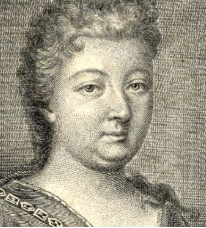
A fairytale is a type of folk tale for children, characterized by elements such as fairies, magic, and royalty. The term “fairy tale,” or “conte de fées,” was originated by Madame d’Aulnoy, a French author who lived from 1652–1705. Many fairytales, such as Snow White and Cinderella, were only written down after generations of oral storytelling. Others were inspired by folklore, but were original stories written by the credited author, such as The Snow Queen. Many fairytales are at least centuries old, if not millennia. It is difficult to say what the "original" version of any fairytale is, because fairytales were not often written down until a few centuries ago, and anytime someone tells the story from memory, it changes ever so slightly. As these stories spread, they change and adapt to the culture of the people telling it.
Laura Packer calls fairytales “a common cultural language” that helps us develop our imaginations, learn the values of our culture, and discover what it means to be human from a young age. Fairytales teach us to have hope, since the main characters often go through horrible things before reaching their “happily ever after.” Still, they do make it to the “happily ever after.” Usually.
Note: This website focuses on traditional European fairytales, as that is what I have the most experience with. That is not to say that other cultures and areas do not have fairytales; they do. I simply do not know them as well as I know European fairytales.