Morphology is the study of the forms of things. Within the field of folklore, also known as folkloristics, morphology is the study of how folklore and fairytales are structured and created. There are many different types of fairytale stories. Folklorists sort stories using an index called the Aarne-Thompson-Uther (ATU) Index, named after the three scholars who created and then expanded the index.
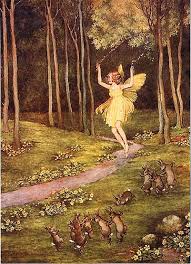
As the name suggests, fairytales often include fairies or other magical creatures, such as elves, goblins, or whatever Rumplestiltskin counts as. Think of the fairies who bless the infant princess in Sleeping Beauty, or the evil witch with a gingerbread house in Hansel or Gretel, or even the magical beans in Jack and the Beanstalk.
People sometimes talk about how it’s odd how Disney Princesses are able to talk to animals, and even Disney itself has parodied the idea, but the idea of talking animals does not come from Disney. Some fairytales focus on animals with few human characters, such as The Ugly Duckling or The Three Little Pigs. Others have animals that are able to talk to the human hero. Some stories even have humans who were turned into animals and are still able to speak in their human voices!
Fairytales often have a very simple portrayal of what is good and what is bad. The villain is evil and the hero is good. Heroes are kind and are rewarded for their kindness, while the villains are punished. This helps to teach the young children who are the target audience of these stories what is considered “good” in their culture and what is considered “evil”.
Fairytales do not always have happy endings (looking at you, Little Mermaid), but they usually do. “And they lived happily ever after” has become a classic fairytale phrase. The stories that do not have happy endings are usually cautionary tales, but the stories with happy endings are just as important. These stories inspire hope in the children who hear them and teach them that they, too, can do hard things and reach happiness.